On May 23, 2012, Linux Mint 13 “Maya” was released. There are two desktop flavors available, the MATE Edition and the Cinnamon Edition. MATE is a fork of the GNOME 2 desktop since the GNOME project has abandoned GNOME 2 in order to work on GNOME 3 development. Cinnamon is a project started by Linux Mint in order to include a classic GNOME 2 style interface in a GNOME 3 environment. Both of these flavors are available in 32 bit and 64 bit versions. Continue reading
Tag Archives: linux
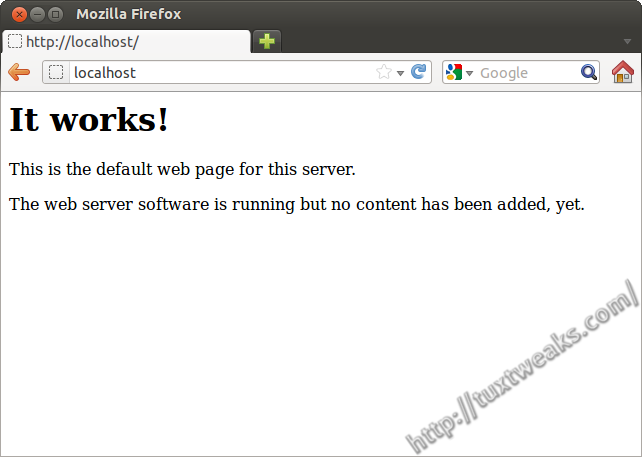
Fixing Common Problems with LAMP on Ubuntu
There are a few common problems that people run into after installing LAMP on Ubuntu. In this post I’ll show how to fix a few of those problems. If you don’t already have LAMP set up, please see How To Install LAMP on Ubuntu. Continue reading
Installing a LAMP Server on Ubuntu
Why Install LAMP on Ubuntu?
Why should you install LAMP on Ubuntu? When working on web development, I prefer to work within the privacy of my own development environment located on my computer. I’d rather make the majority of my mistakes where no one else can see them rather than out in the wild of the Internet. In order to have that private development environment, I install a LAMP configuration. If you’re not familiar with LAMP, it stands for Linux, Apache, MySQL, php (and/or Perl). Continue reading
Ubuntu 12.04 is Here: List of download mirrors
Today Canonical released its latest long term service release of the Ubuntu Linux operating system, Ubuntu 12.04 Precise Pangolin. As of this writing, the Ubuntu website is unresponsive, returning a connection timeout error. It is expected that the main download server is running very slowly right now. However, the torrents are running just fine. I’m currently downloading a torrent at over 500 KiB/s.
View Images With The Proper EXIF Orientation In Chrome or Chromium
I receive a lot of emails with photos attached that have been taken in a portrait orientation. Most modern digital cameras and smart phones have orientation sensors that tell the camera if it’s been turned on end. When this happens, rather than actually rotate the picture, the camera sets a flag in the image’s EXIF data to communicate which way is up in the photo. Continue reading