HandBrake is a program for transcoding video files. By default it transcodes video to H.264 format, so the files get compressed to a reasonable size while retaining high audio and video quality. There are versions available for Windows, OSX, and Linux. In this post I’m going to show how to install it in Linux Mint 13 using an Ubuntu PPA (Personal Package Archive). Continue reading
Author Archives: Linerd
Install SSH and SFTP on Ubuntu or Linux Mint
If you’ve been using Linux or Unix for a long time, then you’re probably familiar remote technologies like rlogin, FTP, and Telnet. These are all wonderful technologies for using a computer remotely, but they are notoriously insecure due to your login credentials being transmitted over the Internet in plain text format. Continue reading
Distro Review: Linux Mint 13 “Maya” Cinnamon Edition
On May 23, 2012, Linux Mint 13 “Maya” was released. There are two desktop flavors available, the MATE Edition and the Cinnamon Edition. MATE is a fork of the GNOME 2 desktop since the GNOME project has abandoned GNOME 2 in order to work on GNOME 3 development. Cinnamon is a project started by Linux Mint in order to include a classic GNOME 2 style interface in a GNOME 3 environment. Both of these flavors are available in 32 bit and 64 bit versions. Continue reading
Fixing Common Problems with LAMP on Ubuntu
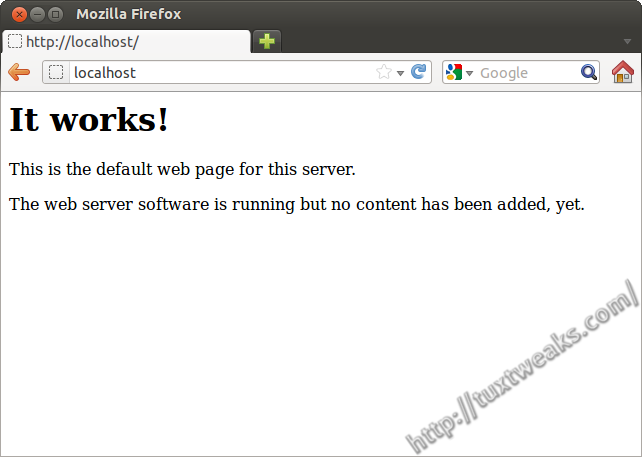
There are a few common problems that people run into after installing LAMP on Ubuntu. In this post I’ll show how to fix a few of those problems. If you don’t already have LAMP set up, please see How To Install LAMP on Ubuntu. Continue reading
Installing a LAMP Server on Ubuntu
Why Install LAMP on Ubuntu?
Why should you install LAMP on Ubuntu? When working on web development, I prefer to work within the privacy of my own development environment located on my computer. I’d rather make the majority of my mistakes where no one else can see them rather than out in the wild of the Internet. In order to have that private development environment, I install a LAMP configuration. If you’re not familiar with LAMP, it stands for Linux, Apache, MySQL, php (and/or Perl). Continue reading